Infrastructure
Mobile Utility Hub: energy, water and food
A mobile unit that combines electricity generation, atmospheric water generation (R410A cycle, 1 L/day in the Tunja case) and NFT hydroponics. I built a reduced-scale prototype with a 1,050 mm tubular frame and an Arduino Nano sensing and control system.
Concept ✓Prototype ✓ 2026
Next: v2 in design
- SolidWorks
- CadQuery
- Proteus
- Arduino
Three systems in one kit
Version 2 makes electricity, water and vegetables from the sun, the rain and the air, for a community of 3.2 people in Tunja. Pick a system to see how it works and what it is sized for.
What I built
Undergraduate thesis: design, calculations and prototype.
Stages reached
Concept ✓
Prototype ✓ 2026
Result. Bench-tested at reduced scale. The mission needs 0.77 kg/h of biomass, below the 1.78 kg/h practical minimum of the smallest gasifier, so it would run at about 25% load. I dropped gasification for v2: solar PV, LiFePO4 storage, rainwater treatment and an NFT greenhouse.
Next: v2 in design
Inside the product
The idea at full scale
A container that would generate power from sugarcane bagasse, make water from the air and grow vegetables. These are CAD designs: the gasifier was calculated but never built.
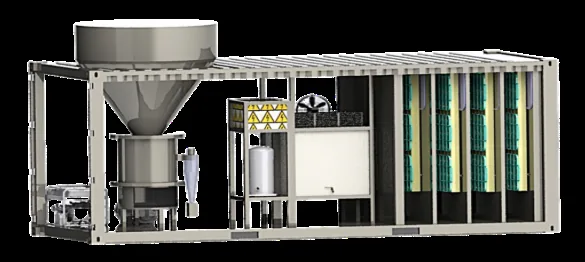
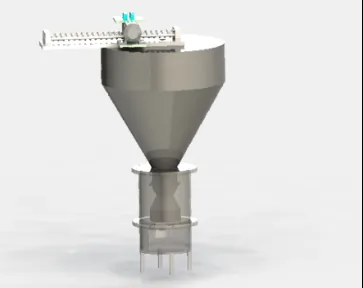
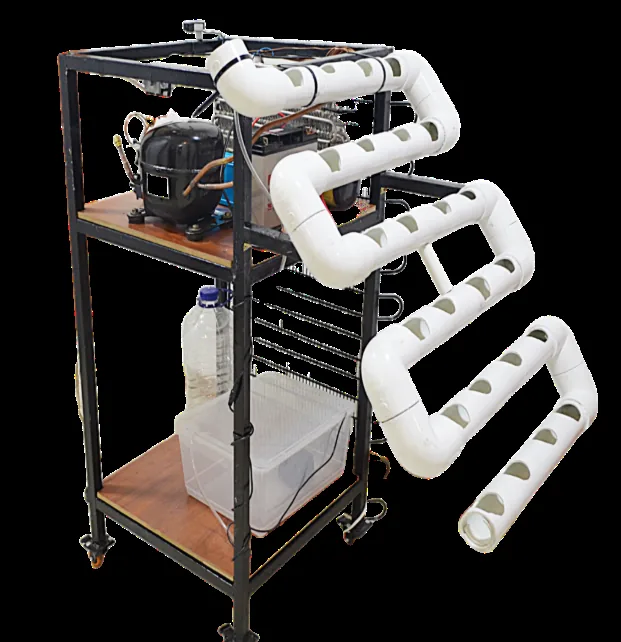
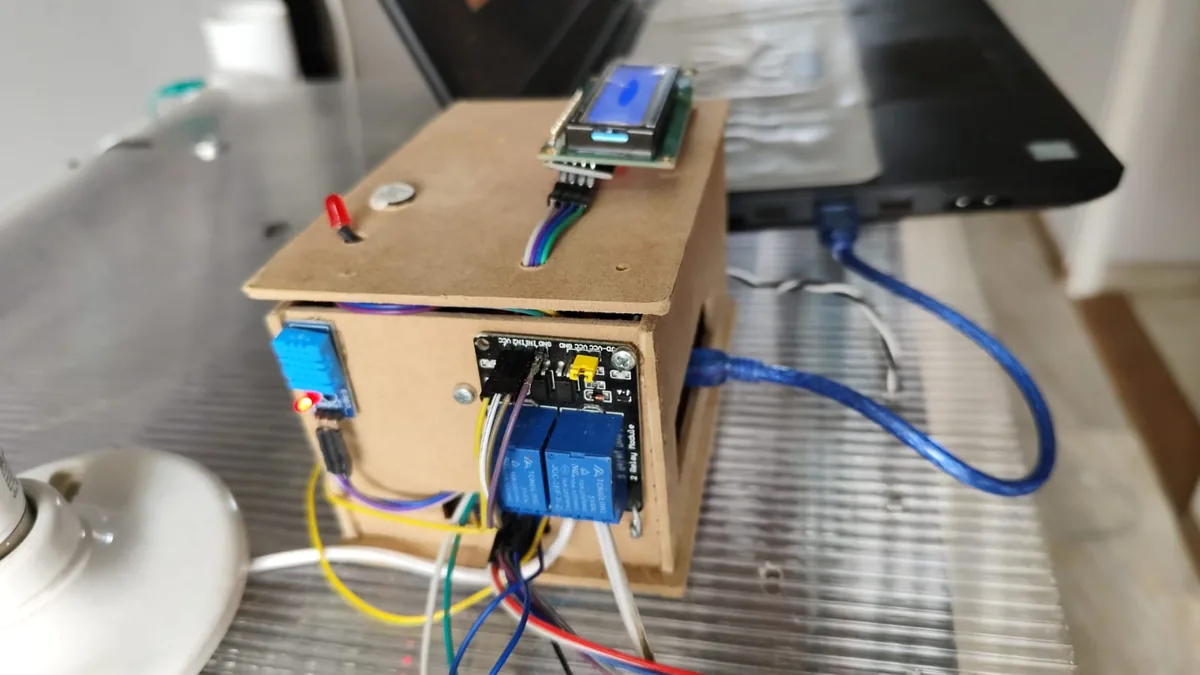
The reduced-scale prototype
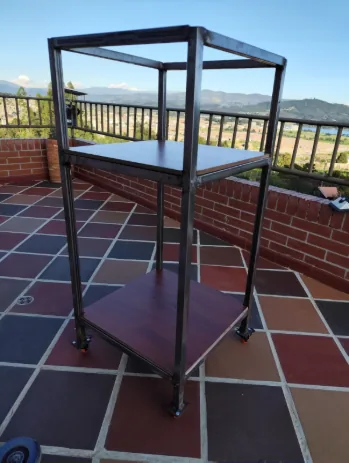
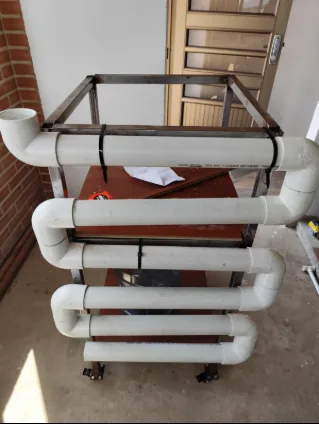
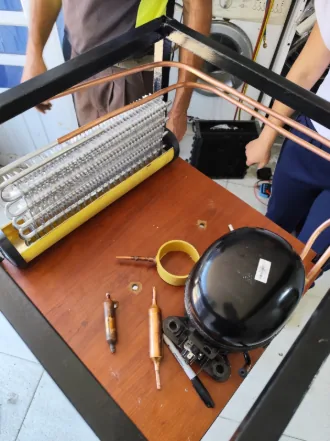
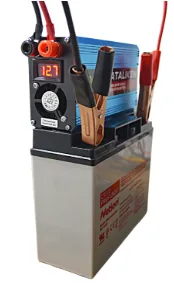
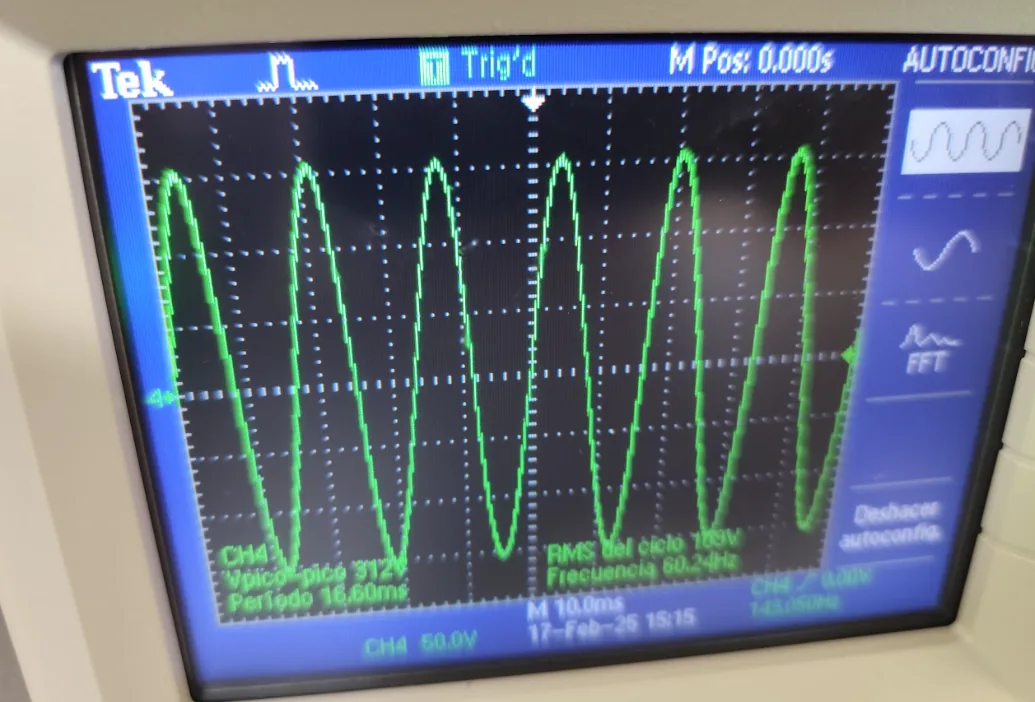
What I built: a 1,050 mm tubular frame on wheels that holds the three subsystems. The gasifier was left out, and a battery with an inverter stood in for the power source.
Control electronics
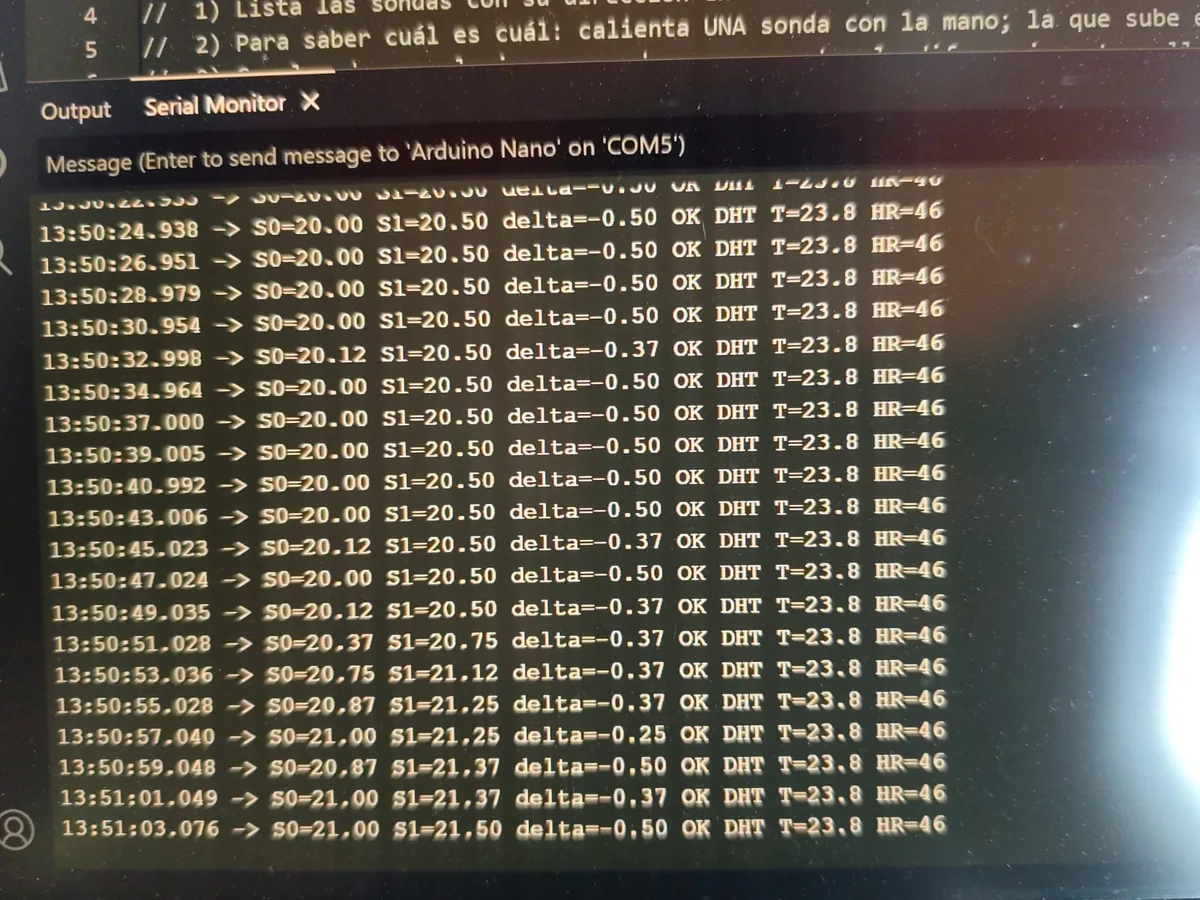
An Arduino Nano reads temperature and humidity and switches a fan and relays. For v2 I designed a control board with a single pin map and milled it on a CNC.
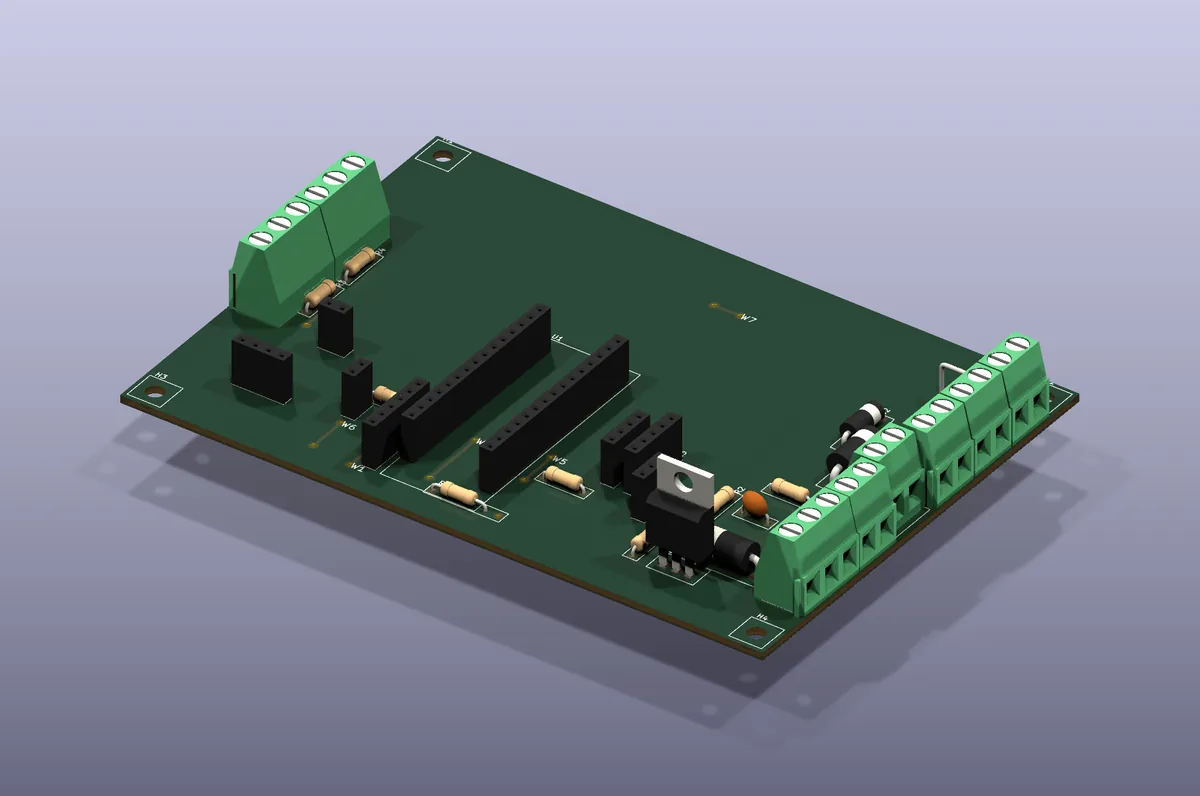
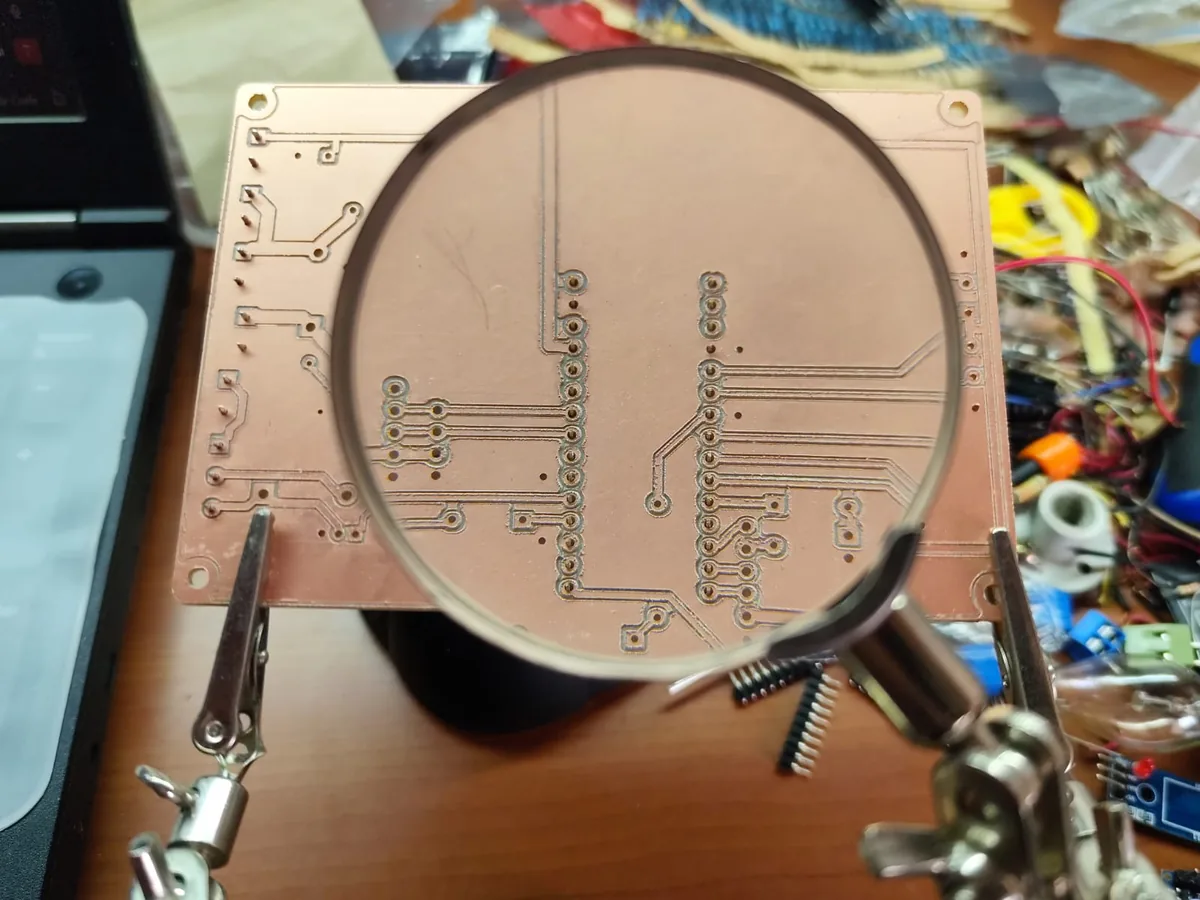
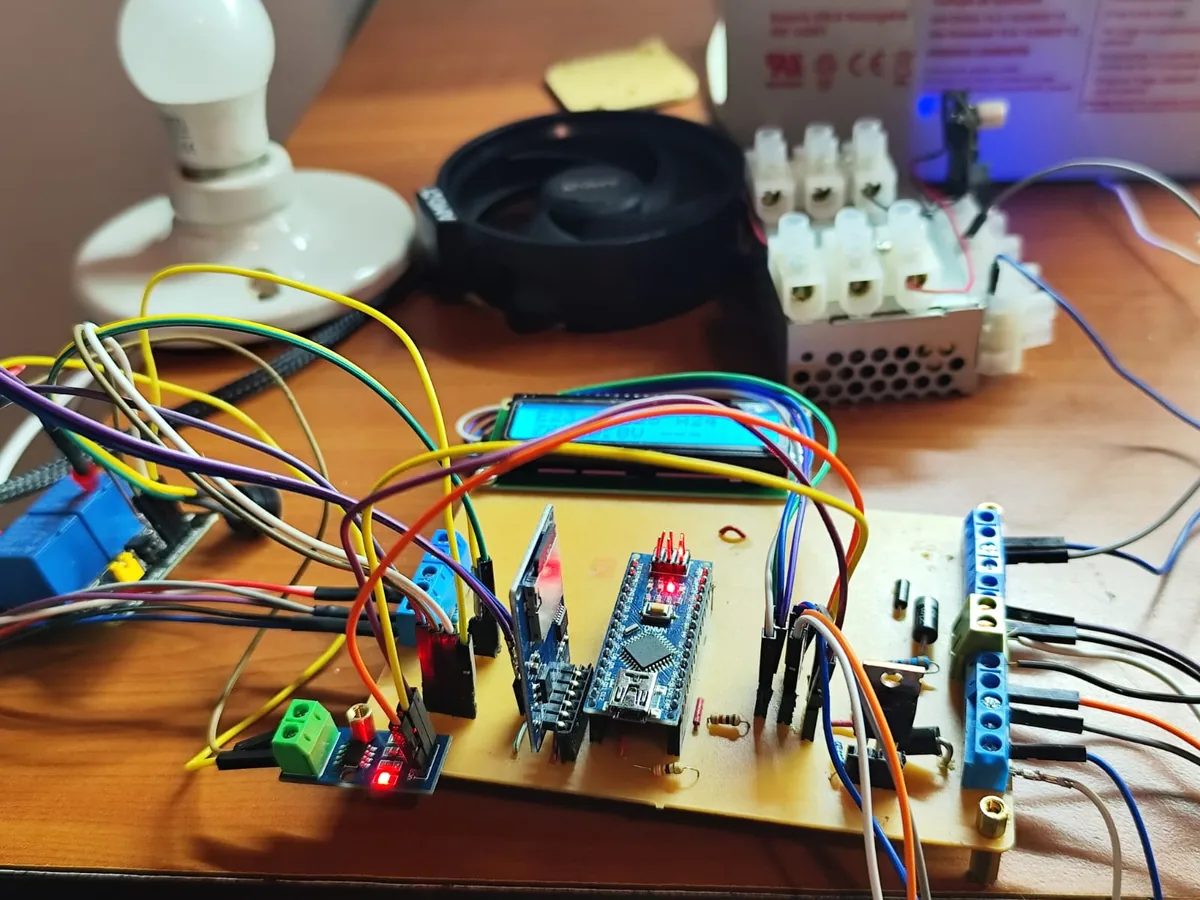
Version 2, in design
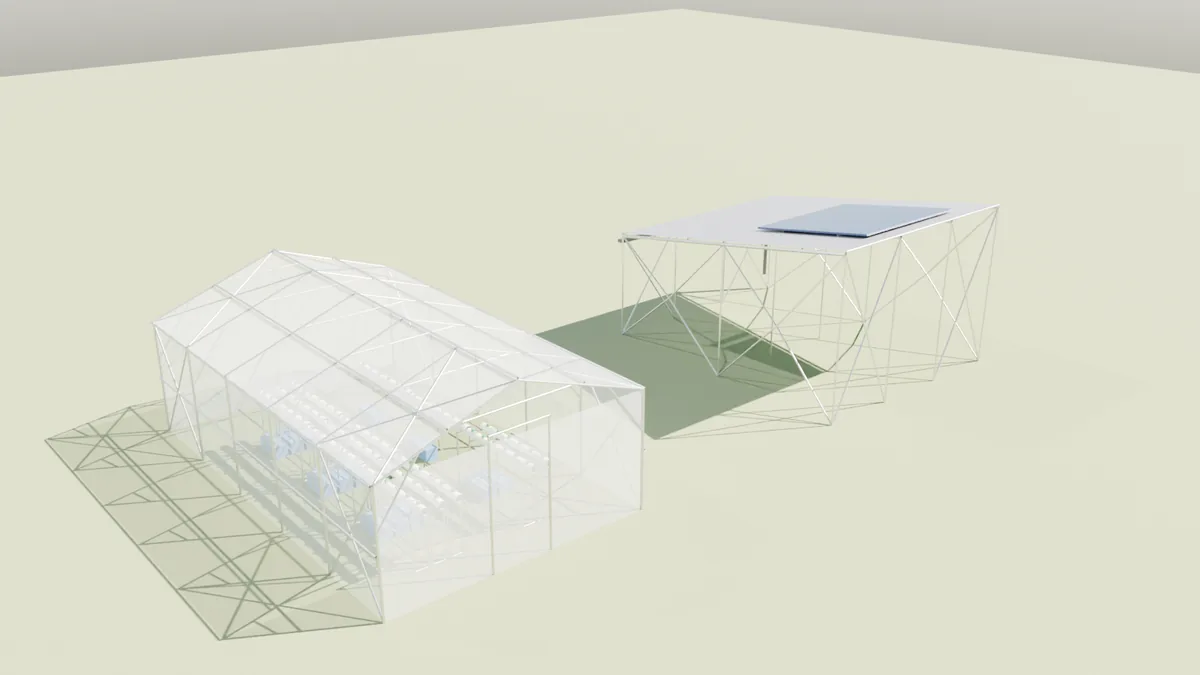
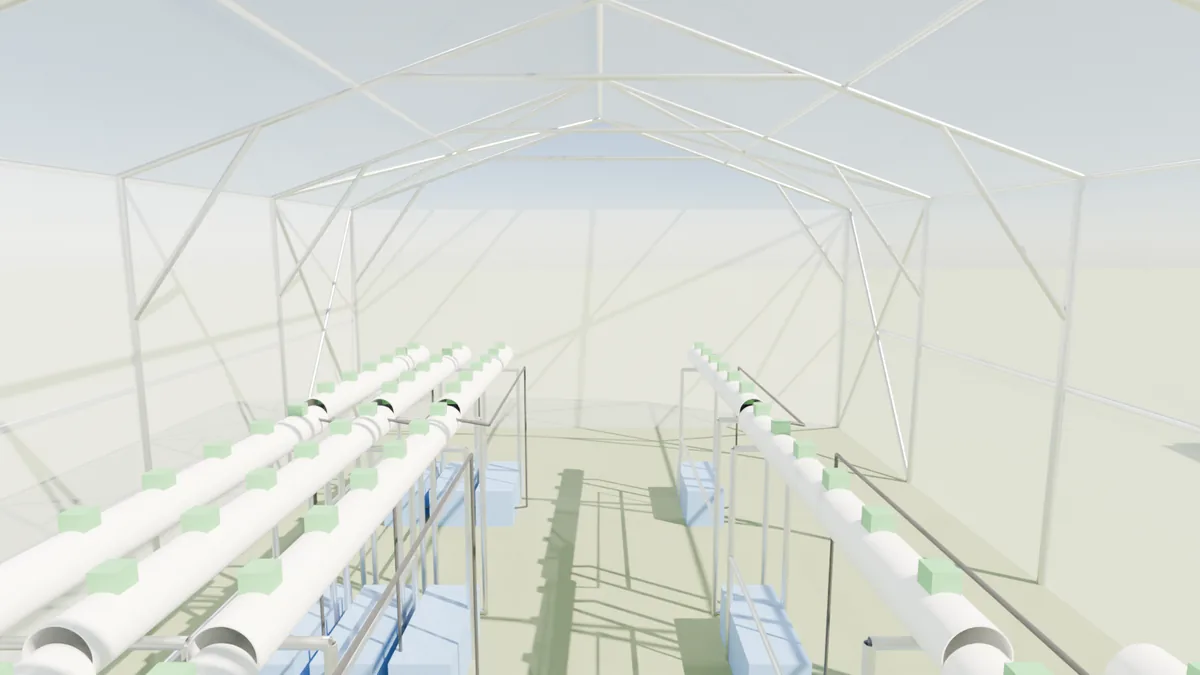
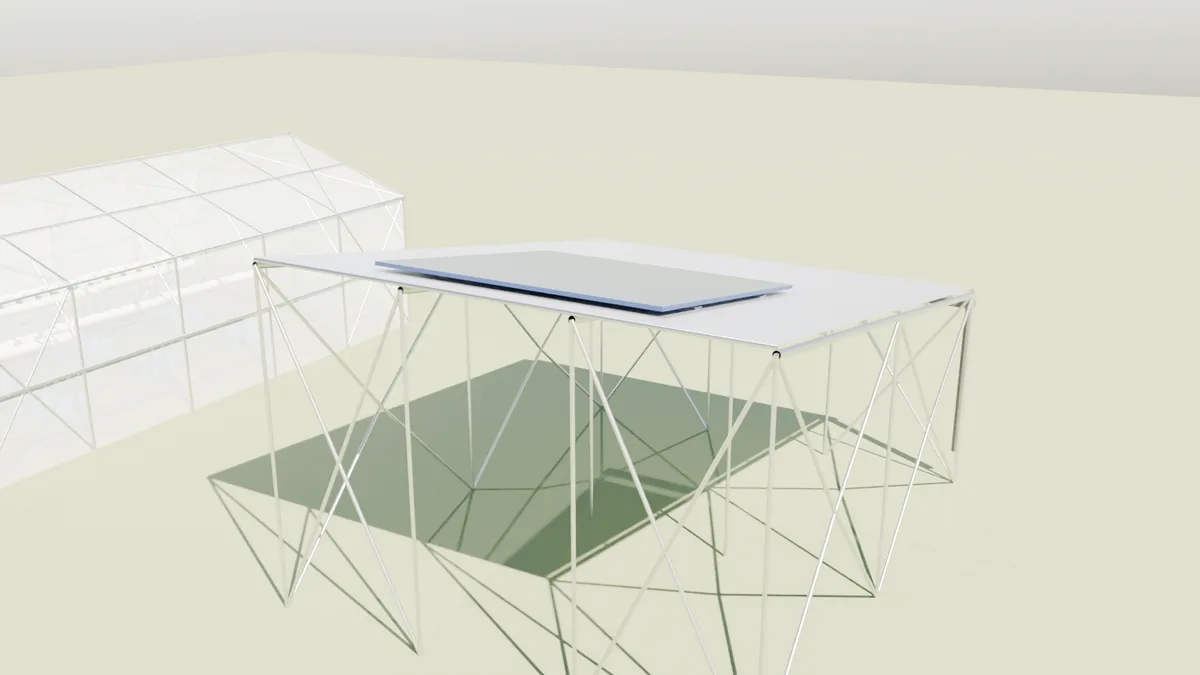
After a capacity calculation the gasifier was dropped. v2 puts solar panels on a pergola, stores the energy in LiFePO4 batteries and grows in a deployable NFT greenhouse. These renders come from the parts modelled so far.
Viability: what is known and what is open
The thesis is an engineering design with a bench prototype. This table separates what the work shows from what it does not.
| Question | What the work shows | Status |
|---|---|---|
| Where does it sit against alternatives? | The closest portable reference sells for more than 10,000 USD a unit and has no agriculture module. The proposed unit uses lower-cost, locally available components, so it could be easier to replicate in rural Colombia. The thesis states this as a possibility, not a measured cost. | Literature comparison |
| Does the design hold up on the numbers? | The mission needs 0.77 kg/h of biomass, below the 1.78 kg/h practical minimum of the smallest gasifier, so it would run at about 25% load. I dropped gasification for v2 and moved to solar PV, LiFePO4 storage, rainwater treatment and an NFT greenhouse. | Decision from calculations |
| What was built and tested? | A reduced-scale prototype with a sensing and control system, bench-tested. The gasifier was designed and calculated, not built. | Bench-tested |
| Is there a cost-benefit case? | Not yet. The thesis lists as future work a cost-benefit study for a community of 134 people and 1,005 L a day, covering manufacturing, installation and operation. | Open |
From my undergraduate thesis (Universidad de Boyacá). No customer, price or funding model is defined in it.