Health
Low-cost robotic prosthetic hand
A design for a myoelectric hand: EMG sensors read the muscle signal and servos move 3D-printed fingers, sized from my own hand. Modelled in SolidWorks and analysed; not built.
Concept ✓ 2021
- EMG
- 3D printing
- Servo actuation
- SolidWorks
How the hand would work
A design for a myoelectric hand that costs a fraction of a commercial one. Pick a stage to see what it does, or pull the parts apart.
The problem
A prosthetic hand is out of reach for many people: a purely mechanical one that only opens and closes costs 2,000 to 5,000 USD, and a more complex one can reach 10,000 USD.
What I built
Lead Researcher, SIROM research group.
Stages reached
Concept ✓ 2021
Result. Design cost target of 200 to 800 USD to produce (taken from Coogley, 2018), against 2,000 to 5,000 USD for a commercial mechanical prosthesis. The hand was not built or tested.
Inside the product
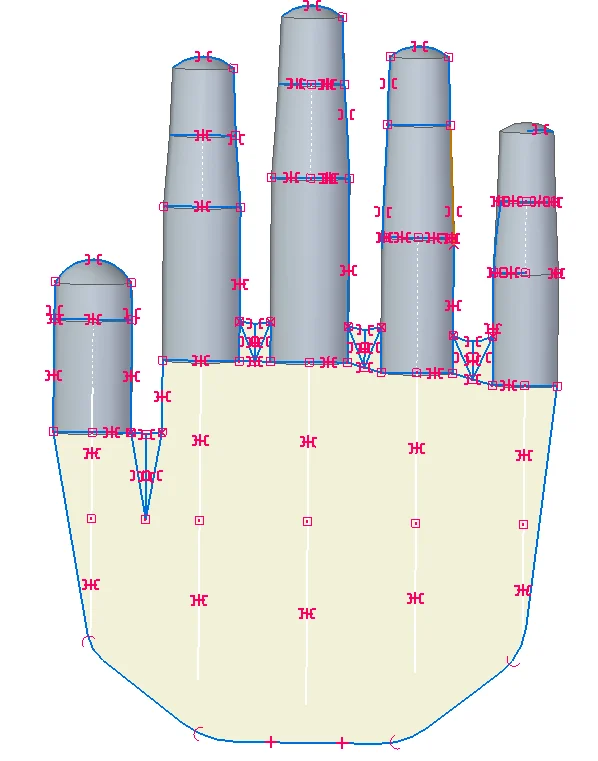
From my own hand to the sketch
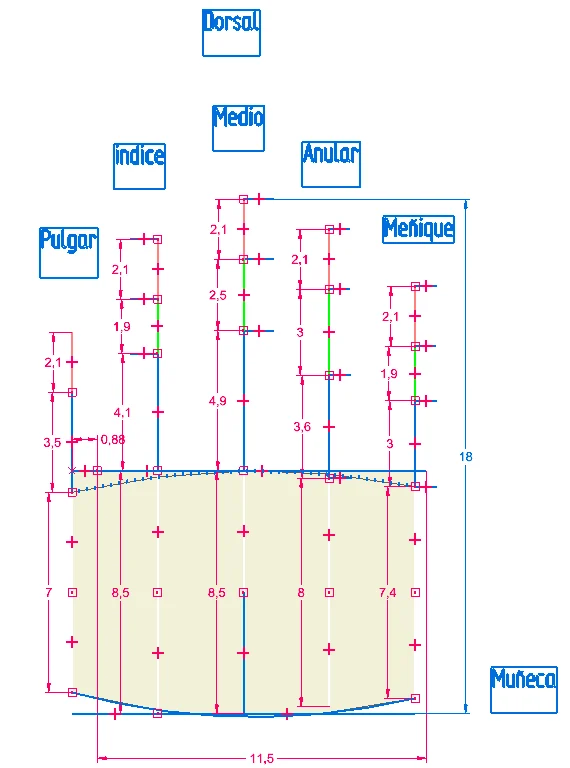
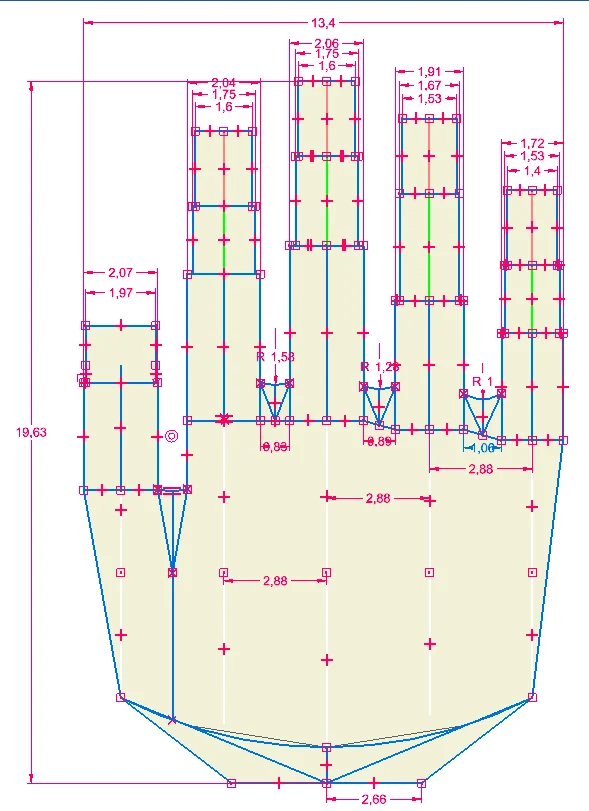
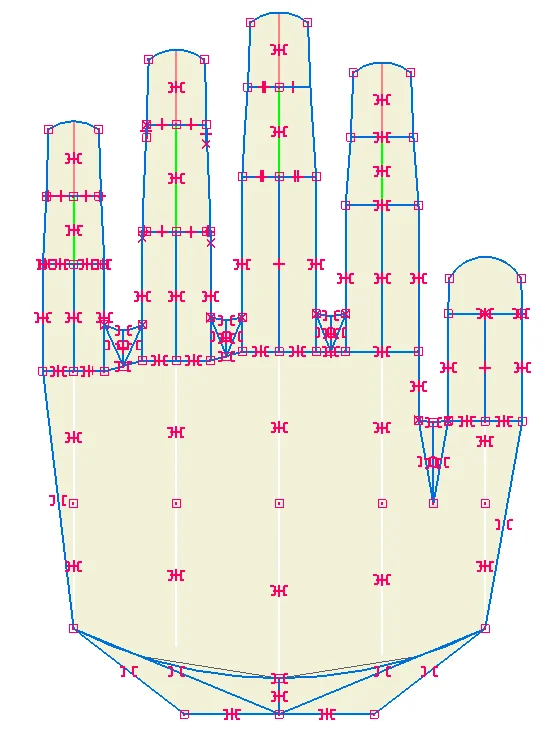
The first phase of the design, in 2021. I measured the back of my own hand, finger by finger, and drew it in SolidWorks so the prosthesis would match a real hand.
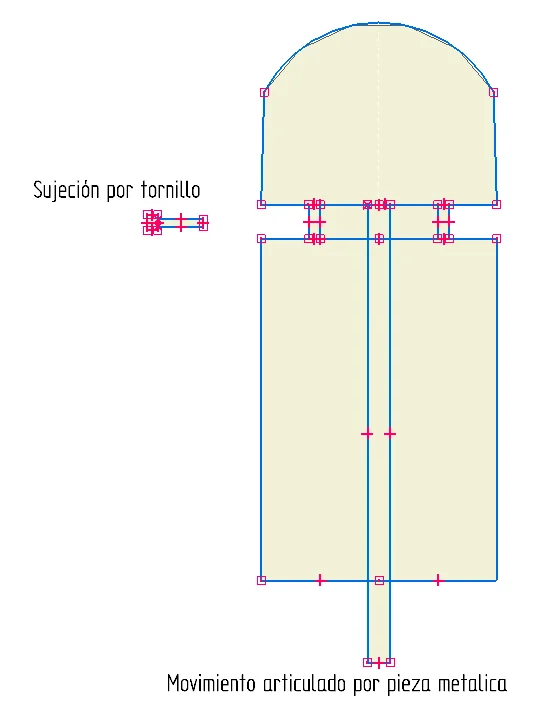
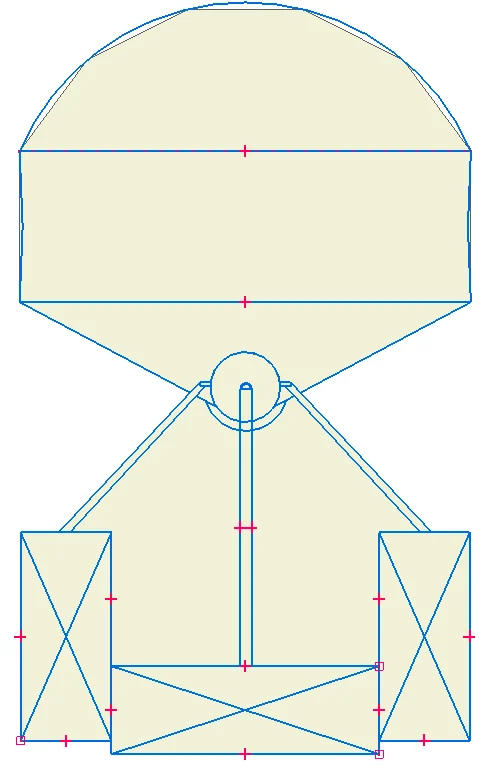
Joints and wrist
Before modelling in 3D I drew how the phalanges would join and how the wrist would move. A flexible metal piece and a plain screw join the phalanges, and four servos around the wrist were meant to tilt and turn the hand.
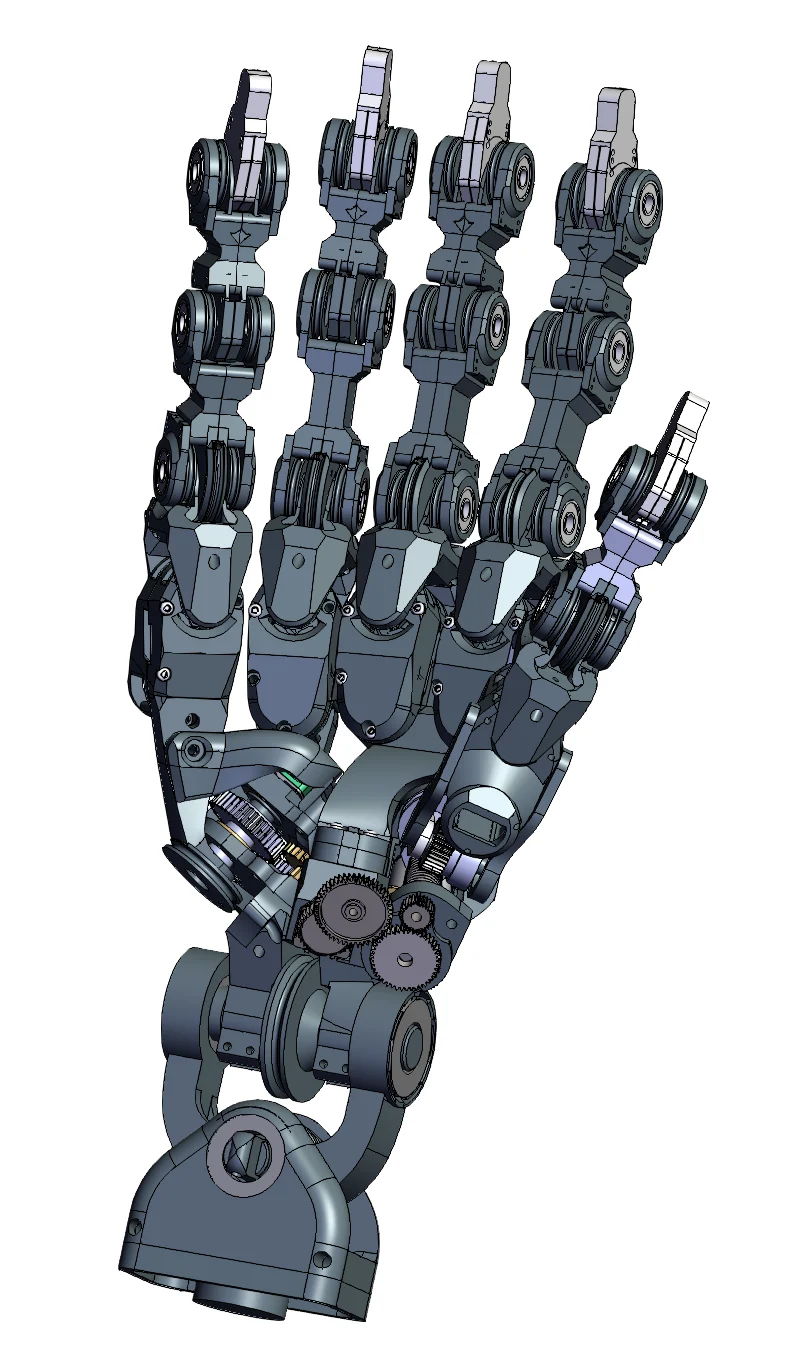
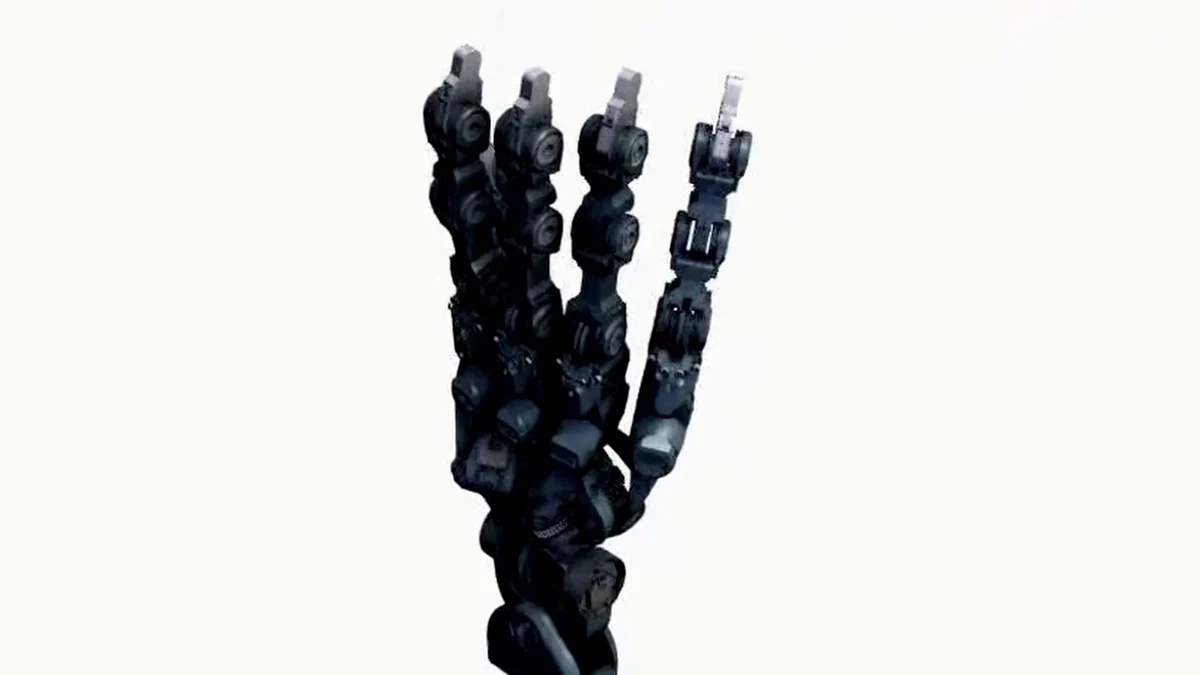
The phase 3 assembly
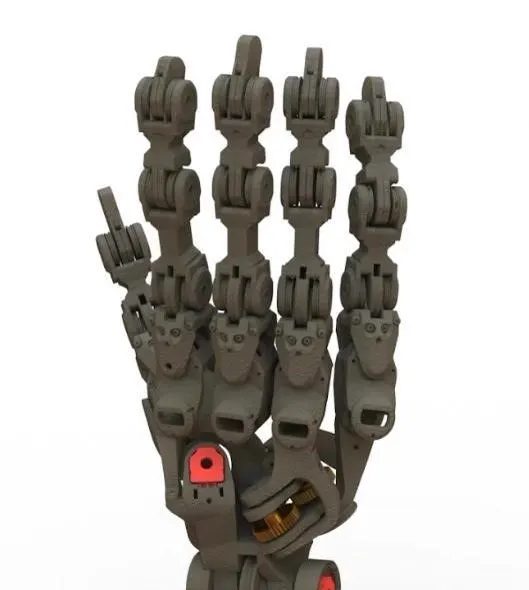
The full hand as a CAD assembly: a wrist with two large joints, gears in the palm and five articulated fingers. It was designed, not built.

Viability: what is known and what is open
The hand is a design from a 2021 report, not a product. This table separates what the report shows from what it does not.
| Question | What the report shows | Status |
|---|---|---|
| What is the gap? | A purely mechanical prosthetic hand that only opens and closes costs 2,000 to 5,000 USD, and complex ones with AI reach 10,000 USD. | Cited |
| What is the cost target? | 200 to 800 USD to produce, taken from Coogley (2018). It is a requirement from the literature, not a calculation of mine. | Target, not validated |
| What must it do? | Weigh under 500 g, close fully in 0.5 s or less and run for 30 minutes. | Requirement, not tested |
| Was it built? | No. It was modelled in SolidWorks and analysed. | Design only |
| Who would use it and how would it reach them? | The report describes the problem for people with limb loss and compares designs already on the market, such as Open Bionics. It has no user testing and does not cover regulation or a business model. | Not studied |